Kick Updated Its Community Guidelines — Here's What Streamers Actually Need to Know
Five days ago, Kick quietly pushed out one of its most significant policy updates since the platform launched.
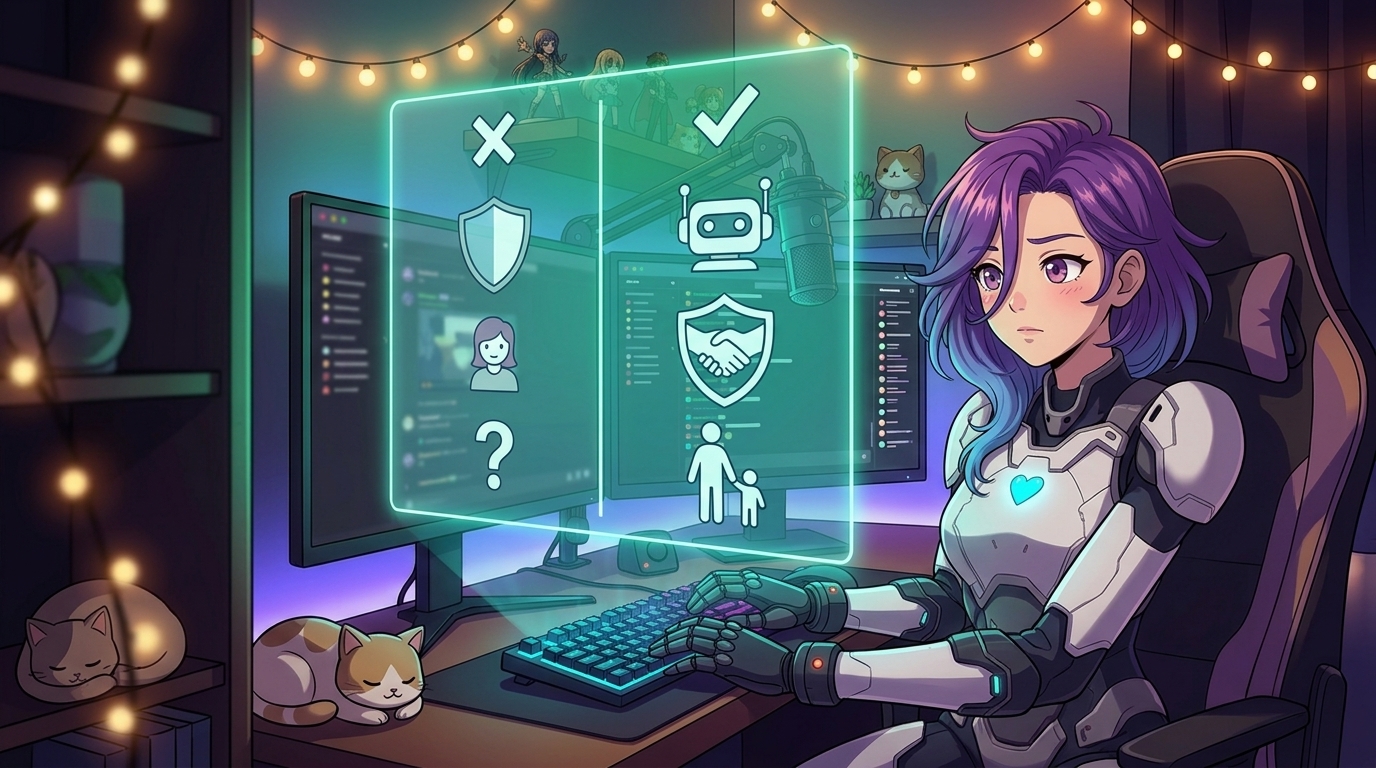
The new community guidelines - published March 19, 2026 - cover a surprising amount of ground: AI-generated content, self-harm depictions, and minor safety all got specific attention for the first time. If you're streaming on Kick, or you've been considering it, this update changes a few things worth understanding properly rather than skimming past.
Because look, most streamers don't read policy documents until something goes wrong. And by then it's a bit late.
Why This Update Actually Matters
Kick built its reputation on being the looser, more permissive alternative to Twitch. That was partly its appeal. But "permissive" has always needed some definition, and the platform has been gradually filling in those gaps as its audience grew and regulators started paying more attention to livestreaming platforms generally.
This update isn't Kick becoming Twitch. It's Kick becoming a platform that can survive 2026.
The three main areas - AI content, self-harm, and minor safety - aren't random choices. They reflect exactly where regulators, advertisers, and the public have been applying the most pressure on social and streaming platforms over the past couple of years. Kick is getting ahead of that, or at least trying to.
What the AI Policy Actually Says
This is the one that's going to affect the most creators day-to-day.
AI content isn't banned on Kick - that's the first thing to understand. The platform recognises that AI tools are part of how a lot of streamers work now, whether that's AI-generated overlays, voice tools, chatbot automation, or synthetic avatars. The guidelines draw a line around deceptive use of AI rather than AI use itself.
Specifically, the concern is around AI-generated content that impersonates real people without consent, fabricates statements attributed to real individuals, or is used to harass someone through synthetic media. So if you're using an AI tool to, say, generate a fake clip of another streamer saying something they never said - that's the thing Kick is targeting.
For the vast majority of streamers, none of this is remotely relevant to what you're doing. Your AI chat assistant, your automated responses, your voice changer - all fine. The rule is about weaponised AI, not creative AI.
What This Means for AI Chat Tools
If you're using something like StreamChat AI to run automated responses, commands, and chat interactions on your Kick channel, you're clearly in the clear here. Automation that serves your community isn't what the policy is addressing. The guidelines are specifically focused on content designed to deceive or harm - not tools that help you manage a busy chat or keep your audience engaged while you're heads-down in a game.
That said, it's worth being thoughtful about how any AI voice or persona tool is presented to your audience. Transparency tends to go down well with viewers anyway.
Self-Harm and High-Risk Content
Kick has now made its position explicit: content that encourages, instructs, or glorifies self-harm or suicide is prohibited. This isn't surprising, and honestly it shouldn't be controversial.
What the update adds is clarity - which streamers who operate in mental health spaces, or who do streams that touch on difficult personal topics, have actually been asking for. The previous vagueness made it hard to know what was acceptable when discussing mental health candidly versus what crossed a line.
The new guidelines align reasonably closely with safe messaging principles, which means discussing these topics thoughtfully, in a way that doesn't sensationalise or provide harmful detail, sits on the acceptable side. That's a workable standard for most creators.
If you do streams where mental health comes up - either because of your content focus or just because you have an open, honest relationship with your community - it's worth reading this section of the guidelines directly rather than relying on a summary (including this one).
Minor Safety: The Part Everyone Should Read
This section has the most serious implications, and Kick has been pretty thorough here.
The updated guidelines expand the rules around minors appearing in streams, content accessible to younger audiences, and interactions involving minors in chat. There are new specifics about age verification requirements for certain content categories, and clearer language about what constitutes exploitation or endangerment.
For most gaming streamers this doesn't change much. But if you have younger family members who appear on stream, if you stream from spaces where minors might be present, or if your channel has a significant younger audience - it's genuinely worth reviewing what's changed.
Kick appears to be responding partly to broader regulatory pressure around child safety online, which has been accelerating across Europe and increasingly in the US. Getting ahead of this as a streamer - rather than waiting for a ban to understand the rules - is obviously the smarter play.
The Broader Picture for Kick Streamers
Here's the thing about platform policy updates: they're easy to ignore right up until they aren't.
Kick is still growing. It's still competing seriously with Twitch for streaming talent and audience share. And part of that competition now involves being a platform that advertisers will work with and that won't get hauled in front of a parliamentary committee every six months. These policy updates are part of that maturation.
That doesn't mean you should be worried about streaming on Kick. It means the platform is becoming more stable, more predictable, and honestly - more professional. That's good for streamers who are building something long-term there.
What You Should Actually Do Right Now
Read the guidelines. I know, genuinely scintillating advice. But Kick has published them publicly at kick.com/community-guidelines and they're not that long. Spending twenty minutes with the actual document beats relying on summaries (again, including this one - I'm working from the published policies but you should see them yourself).
If you're running automated tools on your Kick channel - bots, chat commands, loyalty systems, anything like that - do a quick sense-check that nothing you've set up could be read as deceptive or designed to mislead viewers. Almost certainly it isn't, but it's worth a five-minute review.
And if you stream content that could intersect with the self-harm or minor safety sections, bookmark those specific parts of the document. Know where the lines are.
Multi-Platform Streaming and Keeping Track
One thing that gets complicated fast is managing compliance across multiple platforms simultaneously. If you're live on Twitch, Kick, and YouTube at the same time - which a lot of streamers are now doing - each platform has its own policies evolving on its own timeline.
This is part of why centralised tools matter. StreamChat AI works across all three platforms and handles the automation layer of your stream without you having to manually wrangle three separate sets of settings for every broadcast. That's one less thing to think about when you're also trying to stay on top of what three different platforms consider acceptable in any given month.
The policy landscape for livestreaming is moving. That's not alarming - it's just where the industry is right now. Knowing what's changed, and having your setup organised well enough to adapt quickly, is basically the whole job.
Kick's March 2026 update is a reasonable set of rules from a platform that's trying to grow up without losing what made it interesting. That's a genuinely difficult balance to strike, and so far at least, they seem to be attempting it in good faith.